
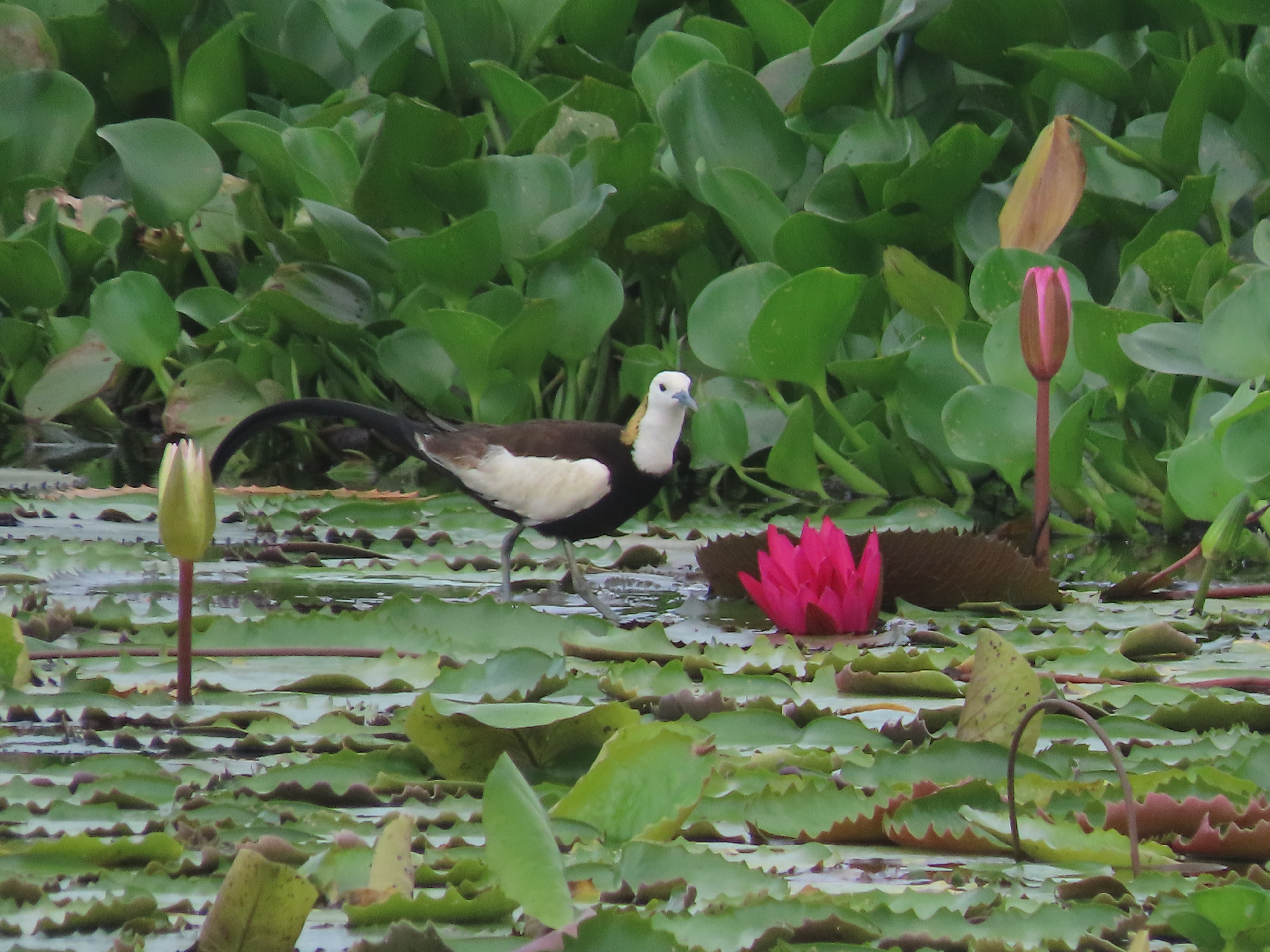
The haors of Bangladesh are among the country’s most important wetland ecosystems. Spread across the north eastern region, these vast seasonal wetlands support millions of people through fishing, agriculture, livestock rearing, and other livelihoods. They are also vital habitats for resident and migratory birds. However, unplanned development is increasingly putting these fragile ecosystems under pressure. Activities such as the creation of fishing ponds, expansion of solar energy facilities, and construction of all-season roads may bring economic benefits, but poorly planned projects can seriously threaten the ecological balance of the haors.
One major concern is the conversion of natural wetland areas into fishing ponds. Although aquaculture provides income and food, creating ponds in natural haor habitats can reduce the availability of breeding and feeding grounds for native fish. Many indigenous fish species depend on seasonal connections between rivers, canals, beels, and floodplains to complete their life cycles. When wetlands are divided or modified, fish migration and natural reproduction can be disrupted. The loss of aquatic vegetation and changes in water flow can further reduce fish diversity. In the long run, excessive conversion of natural wetlands into artificial ponds may weaken the fisheries resources on which local communities depend.
The rapid expansion of solar energy projects can also become a concern if suitable sites are not carefully selected. Renewable energy is essential for Bangladesh’s future, but large-scale infrastructure placed within or around sensitive haor habitats can cause habitat loss and disturbance. Construction activities may alter natural drainage patterns, while fencing and associated infrastructure can restrict the movement of wildlife. Birds may also be affected when important feeding, resting, or nesting areas are converted. Therefore, clean energy development should be encouraged in locations that avoid ecologically sensitive wetlands and important bird habitats.
Another important issue is the development of all-season roads. Improved connectivity can bring significant benefits to haor communities by providing better access to schools, hospitals, markets, and emergency services. However, roads built without proper environmental planning can interrupt the natural movement of floodwater. Embankments, culverts, and poorly designed drainage systems may change water circulation between different parts of a haor. Such changes can affect fish migration, aquatic habitats, and wetland vegetation. Increased traffic and human activity can also disturb birds, particularly during winter when large numbers of migratory birds arrive.
The solution is not to stop development, but to ensure that it is planned around the ecological needs of the haors. Environmental impact assessments should be mandatory for major projects, and local communities, fisheries experts, conservationists, and relevant government agencies should be involved in decision-making. Natural fish breeding grounds and important bird habitats should be identified and protected. Roads and other infrastructure must be designed to maintain natural water flows and seasonal connectivity.
The haors are both ecological treasures and economic lifelines. Development that ignores their natural systems may provide short-term benefits while creating long-term environmental and social costs. Bangladesh therefore needs a balanced approach where economic progress goes hand in hand with wetland conservation. Protecting the haors today means protecting fisheries, biodiversity, livelihoods, and the country’s natural heritage for generations to come.
Share this page via
More from Dr. K. M. Mijanur Rahman